
OpenArt: review, pricing and alternatives
What is OpenArt AI?
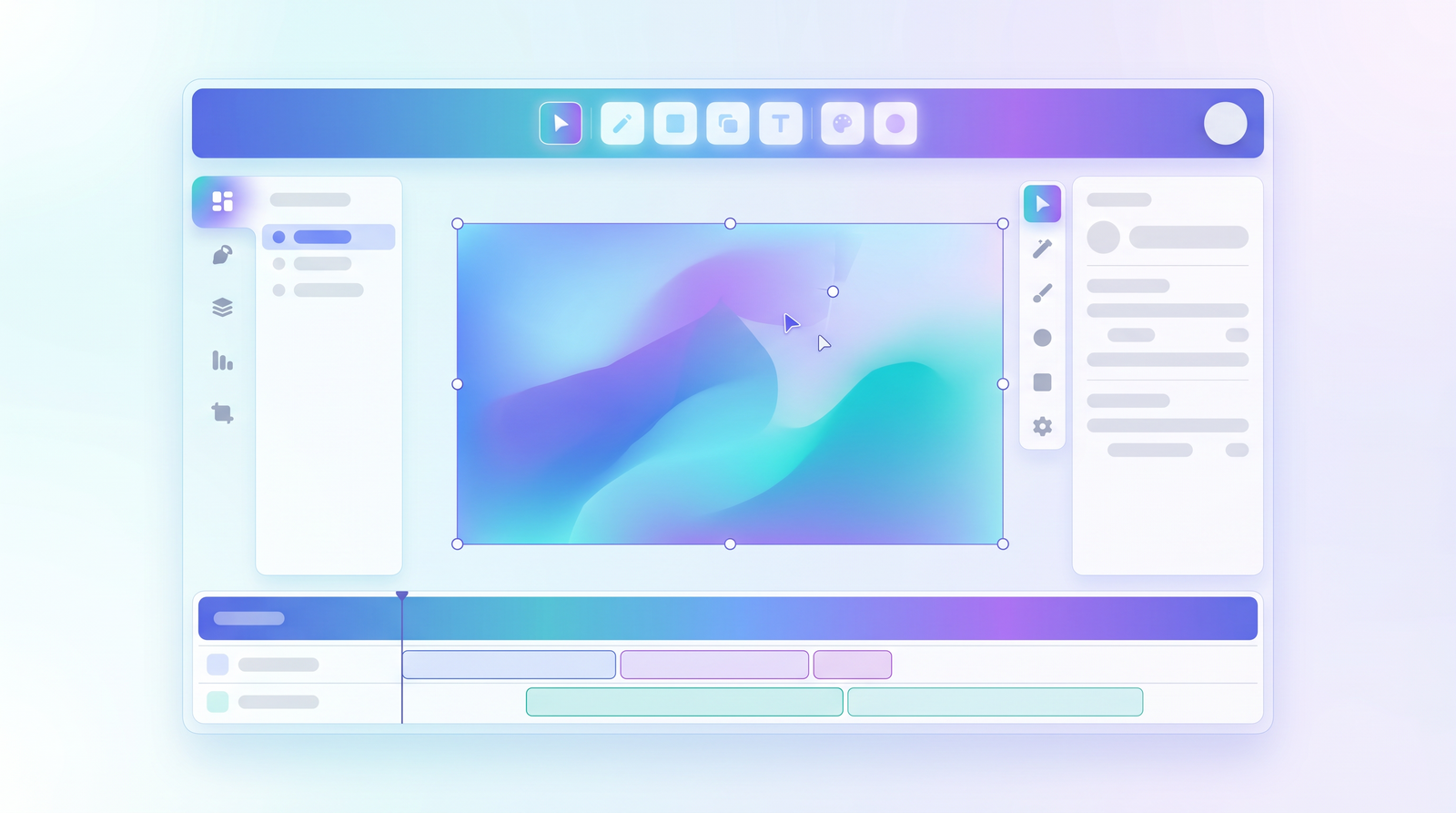
When I first heard about OpenArt AI, it was described as another player in the burgeoning field of AI art generation, but what truly caught my attention was its promise to be an all-in-one solution. This isn't just a text-to-image generator; it's a comprehensive, browser-based platform designed to handle a significant portion of the creative workflow. From generating initial concepts to refining them with advanced editing tools, OpenArt aims to centralize many tasks that typically require juggling multiple applications.
My initial impression was that OpenArt AI positioned itself as a bridge between complex AI technology and everyday creative needs. It strives to make sophisticated AI tools accessible, regardless of whether you're a seasoned designer, a content creator, or just someone looking to experiment with generative art. The platform's core identity revolves around simplifying the process of creating images and even short videos from natural language prompts, pushing the boundaries of what's possible directly within a web browser.
The team behind OpenArt AI seems to have a clear vision: to democratize AI art. They've built a hub where various AI models and creative functionalities converge, attracting a diverse user base. This accessibility is a major selling point, as it removes many technical barriers that often deter users from exploring the full potential of AI in their creative projects. It's about empowering users to bring their ideas to life quickly and efficiently, without needing deep technical knowledge.
Core Features and Tools
Diving into OpenArt AI, I found a robust suite of features that genuinely support an end-to-end creative process. At its heart, of course, is the text-to-image generation. You simply type your prompt, and the AI conjures up visuals. But it doesn't stop there. For those looking to bring their creations to life, the video generation capabilities allow for the creation of short, narrative-driven clips directly from text, which is a powerful tool for visual storytelling or quick social media content.
What truly elevates OpenArt beyond a basic generator are its integrated editing tools. I particularly appreciated the inpainting feature, which lets you seamlessly remove or replace elements within an image, and object removal, for cleaning up unwanted details. The upscaling tool is also incredibly useful, ensuring that your generated images maintain sharpness and detail, even when enlarged. These tools eliminate the need to export your work to external editors, streamlining the workflow significantly.
Beyond the fundamental generation and editing, OpenArt offers some more specialized functionalities that stand out. The character consistency tool, for instance, is a game-changer for anyone working on visual narratives or sequential art. It allows you to maintain a consistent look for a character across multiple generations, which is notoriously difficult with standard AI art tools. Additionally, the option for custom model training without requiring a complex local setup is a huge advantage, enabling users to fine-tune the AI to their specific artistic styles or brand guidelines.
User Experience and Workflow
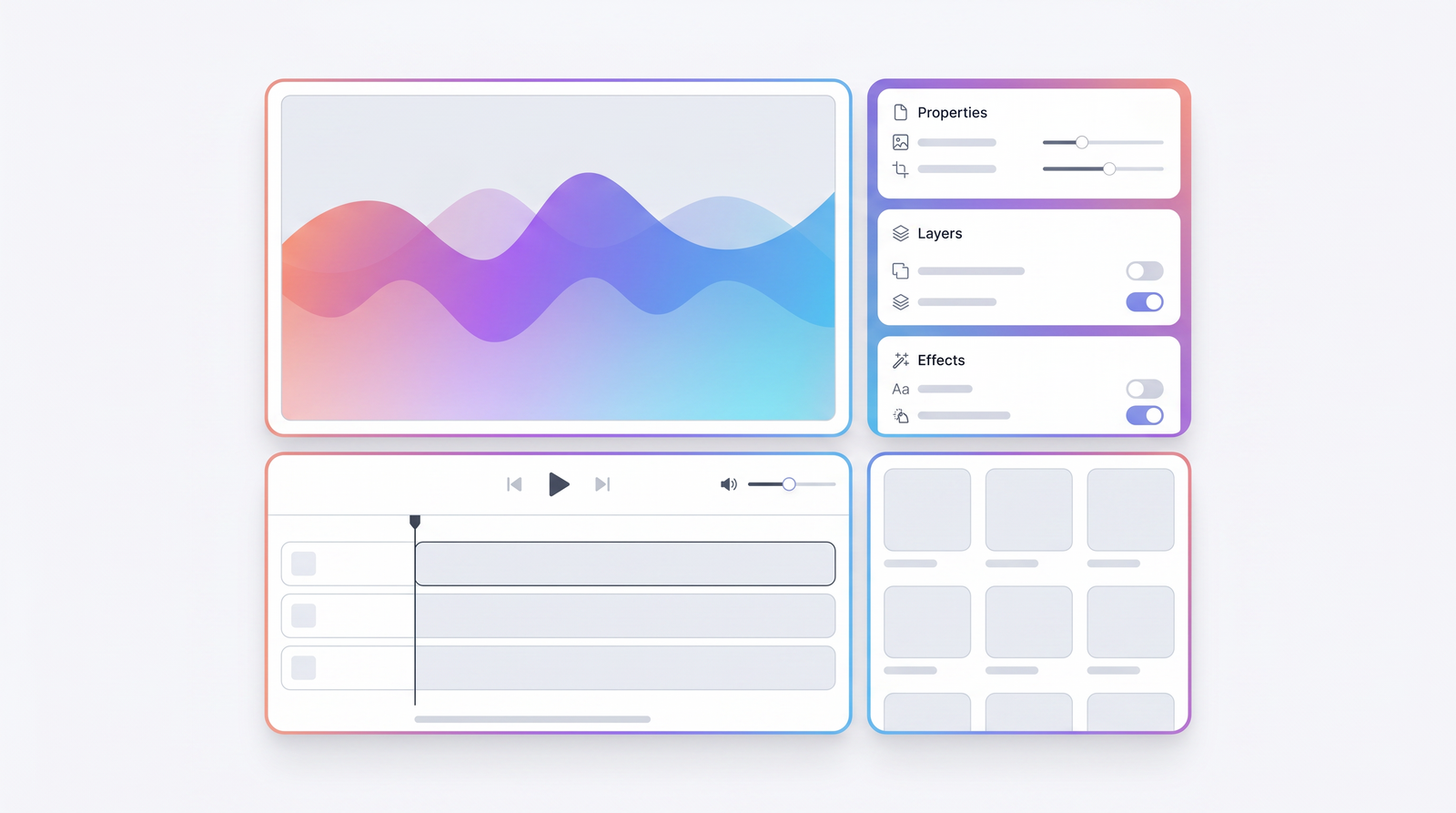
From the moment I logged into OpenArt AI, I found the platform surprisingly intuitive. The browser-based interface is clean and well-organized, making it easy to navigate through the various tools and features. Unlike some other AI art platforms that can feel overwhelming with options, OpenArt manages to present its extensive capabilities in a user-friendly manner, which I think is crucial for mass adoption.
My typical creative process with OpenArt usually starts with a text-to-image prompt. Once the initial images are generated, the integrated editing tools come into play almost immediately. I can select an image, refine it using inpainting or object removal, upscale it for better resolution, or even generate variations, all within the same environment. This seamless flow is a major time-saver; I didn't have to download an image, open Photoshop, edit, and then re-upload it for further AI processing. It genuinely felt like an all-in-one workstation.
The speed of generation is also commendable. For quick visual concepts or mockups, OpenArt delivers results efficiently, allowing for rapid iteration. While the interface is generally praised for its ease of use, I did find that the learning curve for some of the more advanced features, like custom model training, still requires a bit of dedication. However, for everyday image and video generation, the platform is remarkably accessible, making it suitable for both beginners and experienced creators who value efficiency.
OpenArt AI Pricing and Credits
Understanding OpenArt AI's pricing model is crucial, as it operates on a credit-based system that can significantly impact your workflow. The platform offers various subscription tiers, typically ranging from $14 to $240 per month, each providing a specific allocation of credits. These credits are consumed with every generation, upscale, or editing action, so managing them effectively is key to getting the most out of your subscription.
One aspect that I found particularly important to note, and a recurring point of user concern, is the credit system's mechanics: there's generally no rollover of unused credits. This means any credits you don't use within your billing cycle are lost, which can feel restrictive, especially for users with fluctuating creative demands. It encourages consistent usage but can penalize those who only need the tool sporadically. This lack of flexibility is a common complaint I've seen from other users as well.
Another limitation that frequently comes up is the absence of API access. For high-volume users or those looking to integrate AI generation into automated workflows, this can be a significant drawback. It means OpenArt is primarily designed for manual, interactive use through its web interface, rather than programmatic integration. While the platform excels at individual creative tasks, its current structure isn't built for large-scale, automated production pipelines.
The credit system, while straightforward, demands careful planning due to the lack of rollover, which can be a point of frustration for many users.
Here’s a general overview of typical OpenArt AI plans:
| Plan | Price (per month) | Best for |
|---|---|---|
| Starter | ~$14 - $29 | Hobbyists, casual users, exploring features |
| Pro | ~$49 - $99 | Content creators, small businesses, regular usage |
| Business | ~$149 - $240+ | Agencies, marketing teams, high-volume projects |
Strengths of OpenArt AI
Having spent time with OpenArt AI, its greatest strength, in my opinion, lies in its commitment to an all-in-one creative workflow. The ability to move from initial concept generation to detailed editing and even video creation without ever leaving the browser is a massive advantage. It genuinely streamlines the creative process, saving valuable time that would otherwise be spent exporting and importing assets between different software. This integration makes it a powerful hub for visual production.
Another significant positive is the diverse model access. OpenArt doesn't just offer one or two AI models; it provides a variety of styles and options, allowing for a broad range of artistic expressions. This flexibility means you're not confined to a single aesthetic, which is essential for creative professionals who need to adapt to different project requirements. Whether you're aiming for photorealism or a more stylized look, you're likely to find a suitable model.
The strong built-in editing tools also deserve a special mention. Features like inpainting, upscaling, and object removal are not just afterthoughts; they are highly functional and effective. I found them to be on par with basic functionalities in dedicated image editing software, which is impressive for an AI generation platform. This allows for immediate refinement and correction, ensuring that the final output meets your vision without additional external steps.
Finally, the focus on consistent character creation is a standout feature. For anyone involved in storytelling, comics, or brand identity, maintaining a character's appearance across different scenes and poses is critical. OpenArt's tools specifically designed for this purpose address a common pain point in AI art generation, making it an invaluable asset for narrative-driven projects.
Limitations and User Concerns
While OpenArt AI boasts many impressive features, it's equally important to address its limitations and the concerns raised by its user base. The most frequently cited issue, and one I've observed myself, revolves around the credit system restrictions. The lack of credit rollover can be a source of significant frustration. If your creative output fluctuates, you might find yourself either losing unused credits or feeling pressured to generate more than necessary to avoid waste, which isn't ideal for flexible workflows.
More critically, I've seen strong negative feedback, particularly on platforms like Reddit, regarding reported difficulties with cancellation and general customer service. Some users have described challenging experiences when trying to end their subscriptions, with accusations ranging from billing issues to what some perceive as a 'scam' due to the difficulty in stopping payments. While my personal experience didn't involve cancellation, these widespread complaints are a serious red flag that potential users should be aware of before committing to a paid plan.
Another area where OpenArt could improve is community support and resources. Compared to some larger AI platforms, the community aspect and readily available support documentation or forums seem less developed. When I ran into questions or sought specific guidance, the resources felt somewhat limited, which can be a hurdle for users who prefer to troubleshoot independently or engage with a broader user community.
These points, especially the recurring issues around billing and cancellations, highlight a significant disconnect between the platform's technological capabilities and its operational transparency or customer care. It's a stark contrast to the praise for its features and output quality, suggesting that while the product itself is strong, the business practices surrounding it have generated considerable user dissatisfaction.
Output Quality and Performance
When it comes to the actual generated output, OpenArt AI generally delivers high-quality results across both images and videos. For text-to-image generation, I've consistently found the visuals to be remarkably sharp, detailed, and aesthetically pleasing. The AI seems capable of interpreting complex prompts and translating them into visually coherent and often stunning images. This level of detail and fidelity is crucial for professional applications where visual quality is paramount.
The platform's performance in generating these outputs is also quite strong. For quick visual campaigns or concept art, the generation speed is impressive, allowing for rapid iteration and exploration of ideas. This efficiency is particularly valuable when you're working against deadlines or exploring multiple creative directions. The ability to get high-quality images quickly means less waiting and more creating.
For video generation, while it's primarily geared towards short-form content, the quality remains consistent. The generated clips are smooth, and the AI does a good job of maintaining visual continuity within the brief sequences. This makes it a viable option for creating dynamic social media content, animated mockups, or short storytelling segments without needing specialized video editing software.
Overall, my experience indicates that OpenArt AI performs well in producing polished, professional-grade visuals. The detail in the images, the sharpness of the lines, and the overall aesthetic appeal are often striking. It demonstrates that the underlying AI models are robust and well-tuned, capable of meeting the demands of users who prioritize visual excellence.
Ideal Users and Practical Applications
OpenArt AI, with its comprehensive feature set, caters to a broad spectrum of users, but I've identified a few key groups who would benefit most from its capabilities. Graphic designers and artists, for instance, can leverage it for rapid concept art generation, exploring different styles, or creating unique assets for their projects. It's an excellent tool for brainstorming visuals and generating mockups without spending hours on initial sketches.
Marketers and content creators will also find OpenArt incredibly valuable. For social media campaigns, blog posts, or website visuals, the platform allows for quick creation of eye-catching images and short videos. The ability to generate consistent characters is particularly useful for brand storytelling or creating cohesive visual narratives across different marketing materials. It really helps in producing engaging content efficiently.
Beyond these, I see strong potential for small businesses and entrepreneurs who might not have dedicated design teams. OpenArt can help them create professional-looking visuals for their products, services, or branding without a significant investment in traditional design software or hiring external designers. It democratizes access to high-quality visual content creation.
Specific use cases include generating visual concepts for product designs, creating storyboards for video projects, producing unique illustrations for books or articles, and even developing consistent character designs for games or animated shorts. It's a versatile tool that can adapt to various creative and professional needs, making it a strong contender for anyone looking to integrate AI into their visual production pipeline.
How OpenArt Compares to Other AI Tools
In a rapidly evolving landscape of AI art generators, OpenArt AI carves out a niche by focusing on an integrated, all-in-one experience. Many popular AI tools, while excellent at their core function (like Midjourney for image generation or RunwayML for video), often require users to stitch together different platforms for a complete workflow. OpenArt's strength lies in bringing text-to-image, video generation, and a suite of powerful editing tools like inpainting and upscaling under one roof. This means less friction and more time spent creating rather than managing file transfers.
What truly sets OpenArt apart for me are its specialized features, particularly the tools for character consistency and custom model training without the need for complex local setups. Maintaining a consistent character across multiple generations is a notorious challenge in AI art, and OpenArt addresses this directly, making it invaluable for narrative projects. Similarly, the ability to train your own AI models tailored to a specific style offers a level of personalization that many competitors don't provide as easily.
While other platforms might excel in raw image quality or offer more experimental features, OpenArt's emphasis on a cohesive workflow and practical, integrated tools makes it a compelling choice for users who value efficiency and ease of use. It aims to be a comprehensive creative hub, reducing the need for multiple subscriptions or software installations. You can easily see how it stacks up against alternatives on Top10k when considering its blend of features and workflow efficiency.
However, it's important to acknowledge that some competitors might offer more advanced fine-tuning options for specific parameters or have larger, more active community support networks. OpenArt's appeal is firmly rooted in its convenience and its ability to handle a broad range of creative tasks from a single browser window, making it a strong contender for those who prioritize an integrated creative environment.
Is OpenArt AI Worth It? Final Verdict
After thoroughly exploring OpenArt AI, my final verdict is that its value proposition heavily depends on your specific needs and tolerance for its limitations. On the one hand, the platform is a genuinely powerful and versatile tool. Its all-in-one workflow, combining text-to-image, video generation, and robust editing capabilities like inpainting and upscaling, is incredibly efficient. The ability to maintain character consistency and even train custom models without a complicated setup makes it a standout for designers, marketers, and artists looking for a streamlined creative process.
The output quality is consistently high, producing sharp, detailed images and engaging short videos. For those who need to generate quick visual concepts, mockups, or consistent visual assets for storytelling and branding, OpenArt AI is an excellent resource that can significantly boost productivity. It certainly delivers on its promise of making advanced AI art tools more accessible and integrated.
However, the platform is not without its drawbacks, and these are significant enough to warrant careful consideration. The credit system, with its lack of rollover, can feel restrictive and lead to wasted resources if your usage isn't consistent. More concerning are the widespread reports of difficulties with cancellation and customer service, which have led to strong negative feedback from some users. These issues raise questions about the overall user experience beyond the creative tools themselves.
So, is OpenArt AI worth it? If you prioritize an integrated, high-quality AI art and video generation experience and are comfortable with the credit system's structure, it can be a highly valuable asset. However, I would advise potential users to proceed with caution, perhaps starting with a short-term subscription, and to be mindful of the reported customer service issues. For creative professionals who value efficiency and comprehensive features in a single platform, OpenArt AI offers a lot, but it's crucial to weigh its impressive capabilities against the known user concerns.
Full profile and live ranking: https://top10k.com/ai/openart
Published by

Meet Top10k Tools — a free online platform offering over 4,000 handy web tools created to boost productivity.
It spans a broad mix of SEO tools, converters, dev utilities, and image editors. Each tool runs right in the browser, so there's nothing to install.
The long-term vision is reaching 10,000 useful web tools covering nearly every everyday task.
For anyone who works online, you'll find utilities that save time. Explore the full collection.
Frequently asked questions
What is OpenArt AI?
OpenArt AI is a browser-based platform for generating AI art and videos. It offers a comprehensive suite of tools including text-to-image generation, video creation, inpainting, upscaling, object removal, character consistency, and custom model training, aiming to provide an all-in-one creative workflow.
Does OpenArt AI offer a free plan?
While the review mentions it as a 'free site' in some contexts, the core pricing structure indicates paid subscription tiers. It's best to check the official OpenArt AI website for any current free trial offers or limited free tiers, as these can change.
How does OpenArt AI's pricing and credit system work?
OpenArt AI operates on a subscription model, with plans typically ranging from $14 to $240 per month. Each plan provides a certain number of credits, which are consumed for generating images, videos, or using editing tools. A key point of concern is that unused credits generally do not roll over to the next billing cycle.
What are the main advantages of using OpenArt AI?
Its primary strengths include an all-in-one creative workflow that integrates generation and editing, access to diverse AI models, powerful built-in editing tools (like inpainting and upscaling), and unique features for maintaining character consistency across multiple generations.
Are there any known issues or concerns with OpenArt AI?
Yes, significant user concerns include the restrictive credit system (no rollover), and notably, numerous reports of difficulties with subscription cancellation and customer service, with some users describing these experiences as problematic.
Is OpenArt AI suitable for commercial use?
Yes, OpenArt AI generally allows for commercial use of its generated content. This makes it a viable option for designers, marketers, and small businesses looking to create visuals for their projects, campaigns, or branding.
How does OpenArt AI compare to other AI art generators?
OpenArt AI differentiates itself by offering a highly integrated workflow, combining generation and editing tools in one platform, reducing the need for multiple applications. Its character consistency and custom model training features also set it apart from many competitors that might specialize in only one aspect of AI art creation.
Is OpenArt AI worth the investment?
For users who prioritize an integrated, efficient workflow and high-quality output for image and video generation, OpenArt AI can be very valuable. However, potential buyers should carefully consider the credit system's limitations and be aware of the reported issues regarding cancellation and customer support before committing.